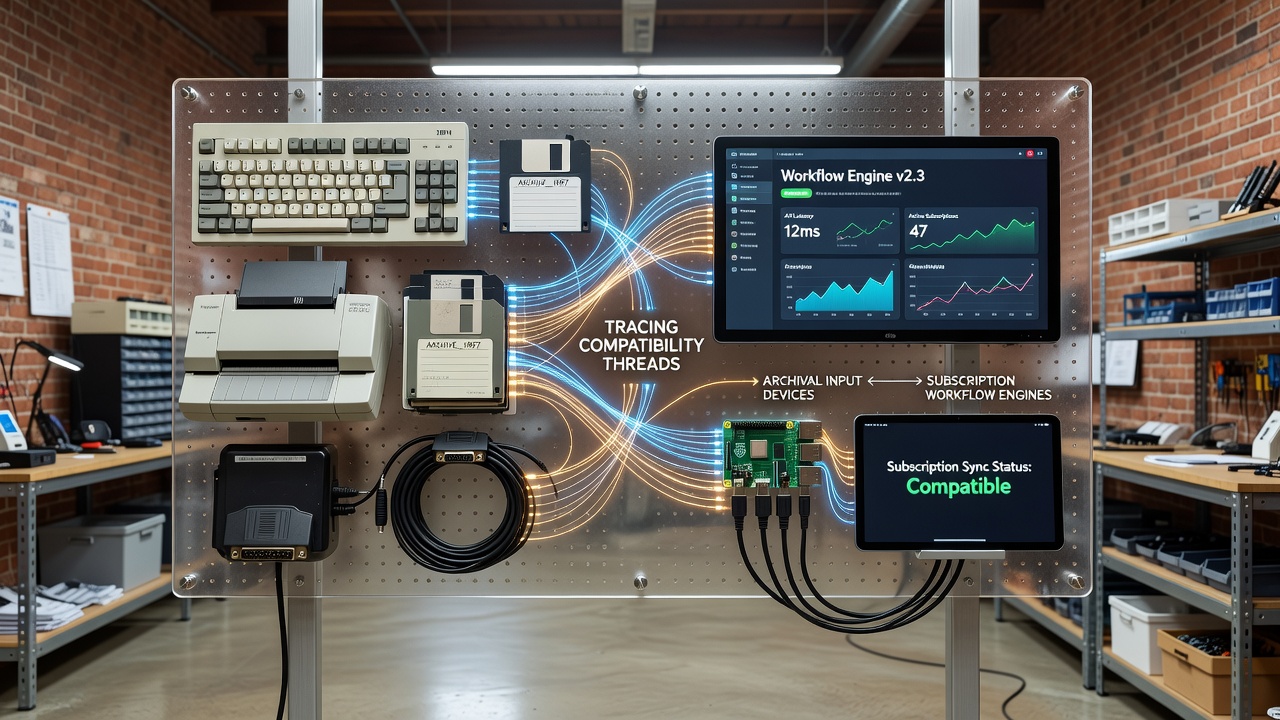
Tracing Compatibility Threads Between Archival Input Devices and Subscription Workflow Engines in Enthusiast Collectives
Enthusiast collectives have developed systematic approaches to mapping how archival input devices interface with subscription workflow engines, and these efforts rely on shared configuration logs that document specific hardware-software pairings across multiple platforms. Researchers note that groups focused on legacy peripherals often catalog serial port mice, PS/2 keyboards, and early USB controllers alongside services such as automation suites that handle task routing and data synchronization. Data from November 2026 shows increased activity in these mappings as collectives compile integration blueprints that extend device usability beyond original manufacturer support cycles.
Methods Used in Compatibility Mapping
Collectives employ collaborative repositories where members upload annotated setup records that detail baud rates, interrupt requests, and driver emulations required for older input hardware to trigger actions in cloud-based workflow tools. These records frequently incorporate visual diagrams that illustrate signal paths from physical ports through virtual adapters to API endpoints in subscription services. Observers note that participants cross-reference logs from distributed teams to identify patterns in successful pairings, and this process reveals overlooked compatibilities such as those between discontinued trackballs and modern event-driven automation platforms.
Studies indicate that configuration exchanges occur through dedicated forums and shared repositories, where contributors test and refine scripts that translate legacy input signals into structured data formats accepted by workflow engines. Figures reveal that such exchanges have documented over 200 distinct device-to-service links in recent years, with emphasis on budget-friendly adapters that avoid proprietary licensing fees. Those who've studied these practices find that color-coded tagging systems help organize entries by hardware era and subscription tier, which streamlines retrieval during troubleshooting sessions.
Case Examples from Distributed Groups
One collective based in North America compiled a repository that linked 1980s-era digitizer tablets to subscription platforms handling inventory tracking, and the resulting logs demonstrated stable performance when combined with middleware converters. Another group operating across European networks focused on joystick controllers from the 1990s, producing integration blueprints that connected these devices to workflow engines used in remote monitoring applications. Research from the European Commission on digital interoperability highlights how such grassroots documentation complements official standards by providing practical examples of hardware persistence.
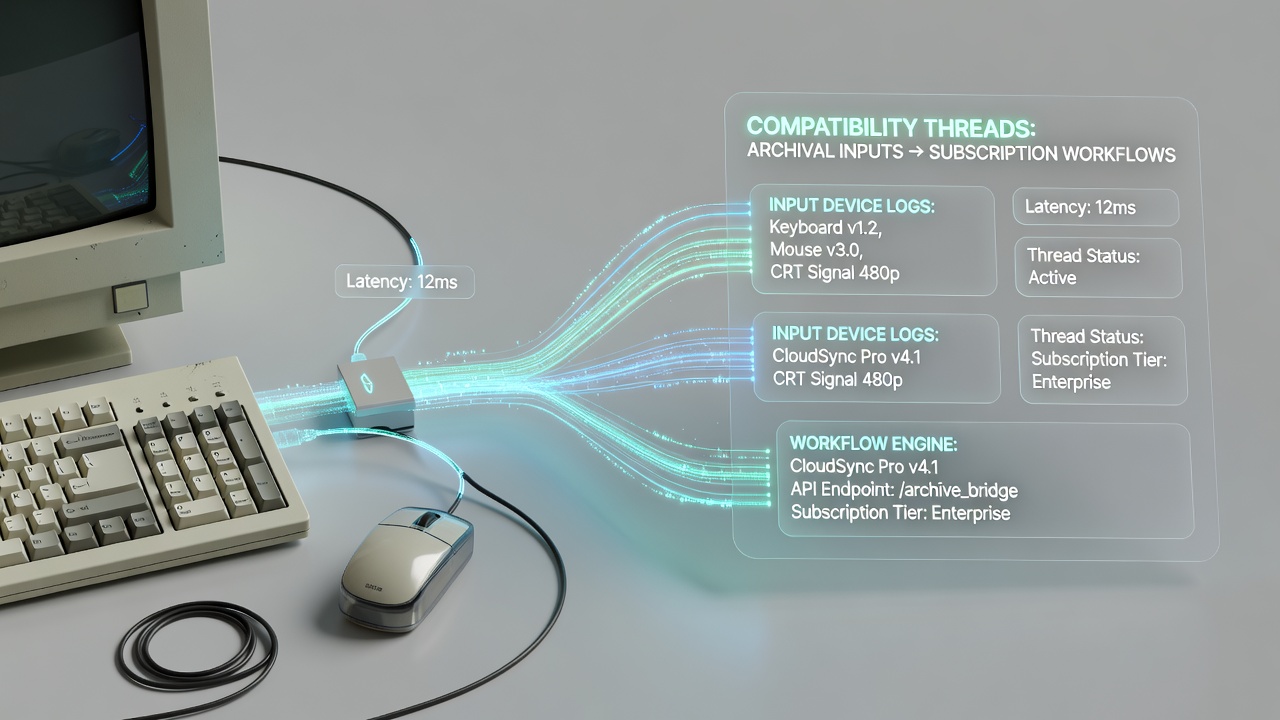
Participants in Australian hobbyist networks have contributed charts that expose connections between parallel port scanners and current SaaS suites for document automation, and these contributions often include step-by-step verification procedures that others replicate in their own environments. Data shows that these efforts frequently surface during periods of platform updates, when subscription engines introduce new API versions that require adjustments to legacy drivers. Collectives respond by updating shared repositories in real time, which maintains continuity for users reliant on older equipment.
Broader Patterns in Hardware Longevity
Academic analyses from institutions such as the University of Toronto document how peer-mapped compatibility charts influence adoption rates of vintage peripherals within productivity ecosystems. These studies track how annotation swaps among remote participants accelerate the identification of untapped links, particularly when dealing with discontinued gadgets that lack vendor documentation. Evidence suggests that the volume of such shared resources grew steadily through 2026, driven by interest in cost-effective alternatives to full hardware replacement cycles.
Industry reports from organizations including the Canadian Standards Association note that enthusiast-driven logs provide supplementary data on electromagnetic compatibility and signal integrity when archival devices operate alongside subscription services. This information proves valuable for collectives seeking to avoid interference issues in mixed setups that combine serial, PS/2, and early wireless inputs with cloud orchestration layers. Those examining the repositories observe recurring themes around adapter selection and protocol translation that recur across multiple device generations.
Conclusion
Tracing efforts within enthusiast collectives continue to generate detailed records of how archival input devices maintain functional roles in contemporary subscription workflow environments, and these records rely on iterative contributions from distributed participants. The resulting body of knowledge supports ongoing hardware reuse while aligning with evolving API structures in automation platforms. Continued documentation practices indicate sustained interest in preserving compatibility threads that connect older peripherals to modern digital tools.