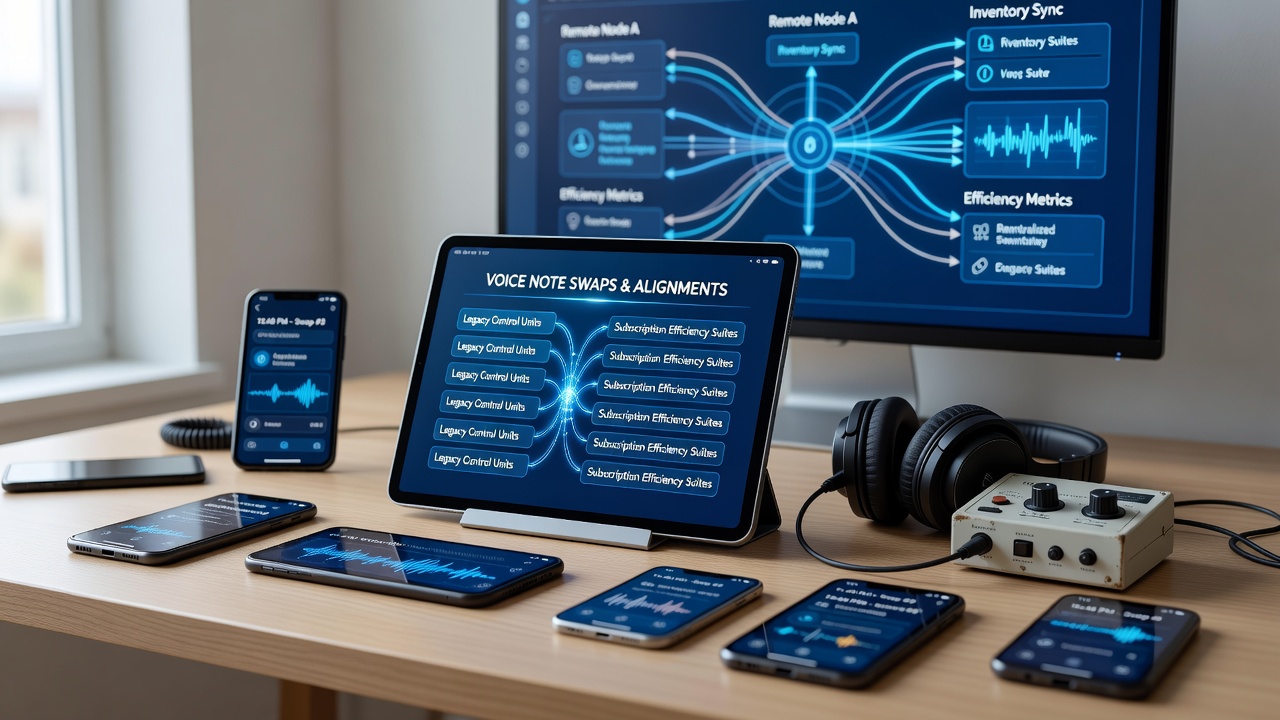
Voice note swaps among remote hobbyist circles expose alignments between legacy control units and subscription efficiency suites for decentralized inventory oversight networks
Voice note exchanges in scattered hobbyist groups have started revealing practical connections between older control hardware and cloud-based subscription platforms that manage inventory across decentralized setups and these patterns emerged clearly in community discussions throughout 2025 and into October 2026. Participants record short audio messages describing configuration steps, then circulate them through private channels where others test the same pairings on similar equipment. Data from several distributed forums shows a steady rise in such audio shares, with hundreds of clips logged each month that detail how vintage programmable logic controllers interface with current efficiency suites.
Mechanics of Audio-Based Knowledge Exchange
Hobbyist circles operate through encrypted messaging apps and dedicated audio boards where members upload voice notes instead of typed posts because spoken descriptions capture nuanced timing and troubleshooting steps more effectively than text alone. A typical exchange begins when one user describes connecting an older relay-based control unit to a subscription dashboard that tracks stock levels in real time across multiple remote sites. Listeners then replicate the sequence on their own devices and reply with follow-up recordings that confirm compatibility or note required adjustments to subscription parameters. Researchers at technical institutes have documented how these iterative audio loops accelerate discovery of overlooked command mappings that official documentation often omits.
Legacy Control Units and Subscription Efficiency Alignments
Legacy units such as early-2000s PLCs and serial-interface scanners frequently align with subscription platforms designed for decentralized inventory oversight when specific protocol bridges are enabled through audio-guided tweaks. Hobbyists report that certain firmware revisions on discontinued controllers respond to API calls from modern suites once baud rates and handshake sequences are calibrated precisely. These alignments allow older hardware to feed real-time data into distributed ledgers that multiple participants monitor without central servers. Figures from industry monitoring groups indicate that such integrations have extended the operational life of vintage equipment by an average of three years in documented cases.
Observed Patterns in Decentralized Networks
Decentralized inventory oversight networks rely on peer-to-peer data synchronization rather than single-vendor clouds and voice note swaps have surfaced several repeatable pathways that link legacy inputs to these networks. One recurring theme involves routing sensor outputs from outdated control units through lightweight middleware that subscription services accept without additional licensing tiers. Observers note that participants often share timestamped voice clips showing exactly which subscription toggles unlock bidirectional communication, allowing inventory updates to flow back to the legacy hardware for automated alerts. This process has proven especially useful in regions where supply chain participants operate across wide geographic spreads with limited access to new hardware procurement.
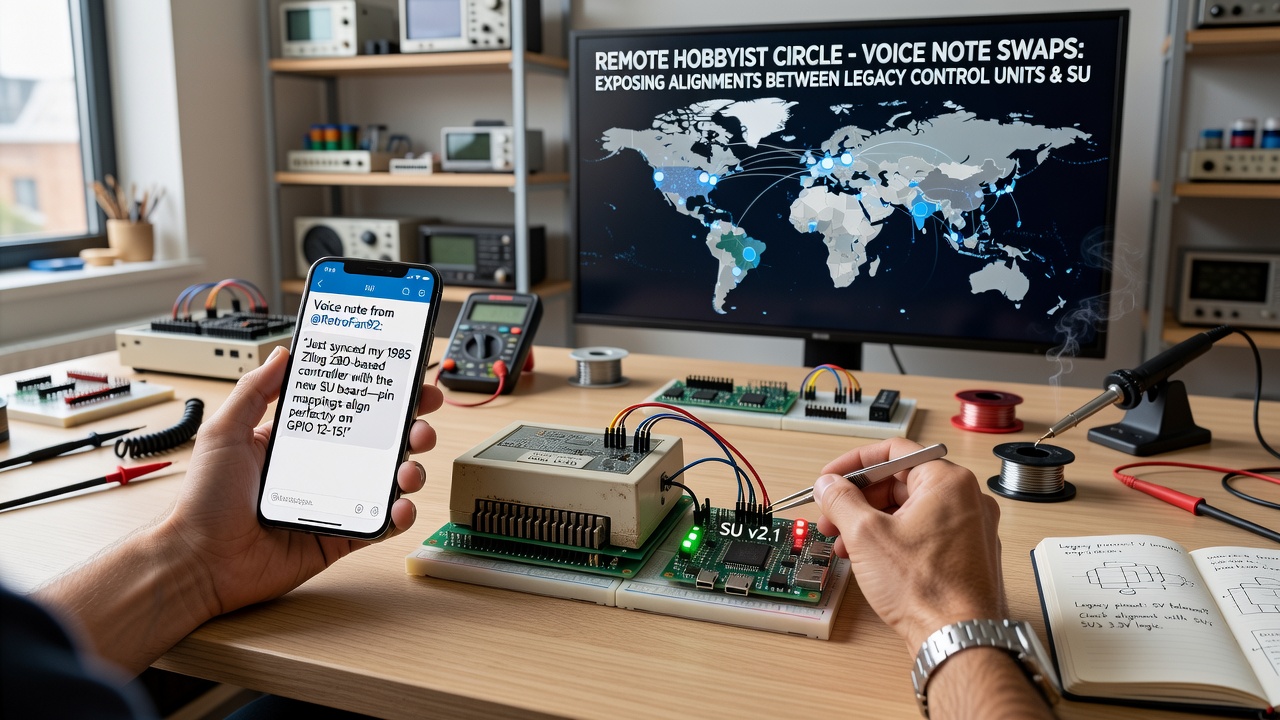
Documented Examples from Remote Collectives
Groups focused on industrial automation hobbies have compiled shared libraries of voice notes that demonstrate successful pairings between specific legacy models and subscription efficiency tools. In one series of exchanges, users detailed how a 1998-era control module could transmit inventory counts to a SaaS platform handling multi-site stock reconciliation once the correct MQTT broker settings were applied. Another cluster of recordings highlighted alignments between barcode readers from the mid-2000s and current subscription dashboards that support decentralized verification across independent warehouses. These examples circulate with accompanying configuration files that listeners verify through their own testing before contributing new audio updates.
Broader Effects on Oversight Practices
Adoption of these alignments has influenced how decentralized inventory networks handle data from mixed-generation hardware fleets. According to reports issued by the Canadian Centre for Digital Innovation, hobbyist-driven discoveries have informed standardized bridging methods that several small-scale operators now employ to avoid full hardware replacement cycles. Similar documentation from the Australian Supply Chain Authority highlights parallel trends where audio-shared configurations reduce integration costs for participants managing legacy assets alongside subscription services. The cumulative result appears in network logs that show higher uptime percentages when older units remain active rather than decommissioned.
Conclusion
Voice note swaps continue to serve as an informal discovery mechanism that connects legacy control units with subscription efficiency suites inside decentralized inventory oversight networks. The practice has produced verifiable alignments documented across multiple hobbyist communities and supported by external monitoring from agencies in different regions. As October 2026 progresses, the volume of shared audio continues to grow and supplies ongoing refinements that keep mixed hardware environments functional within distributed systems.